
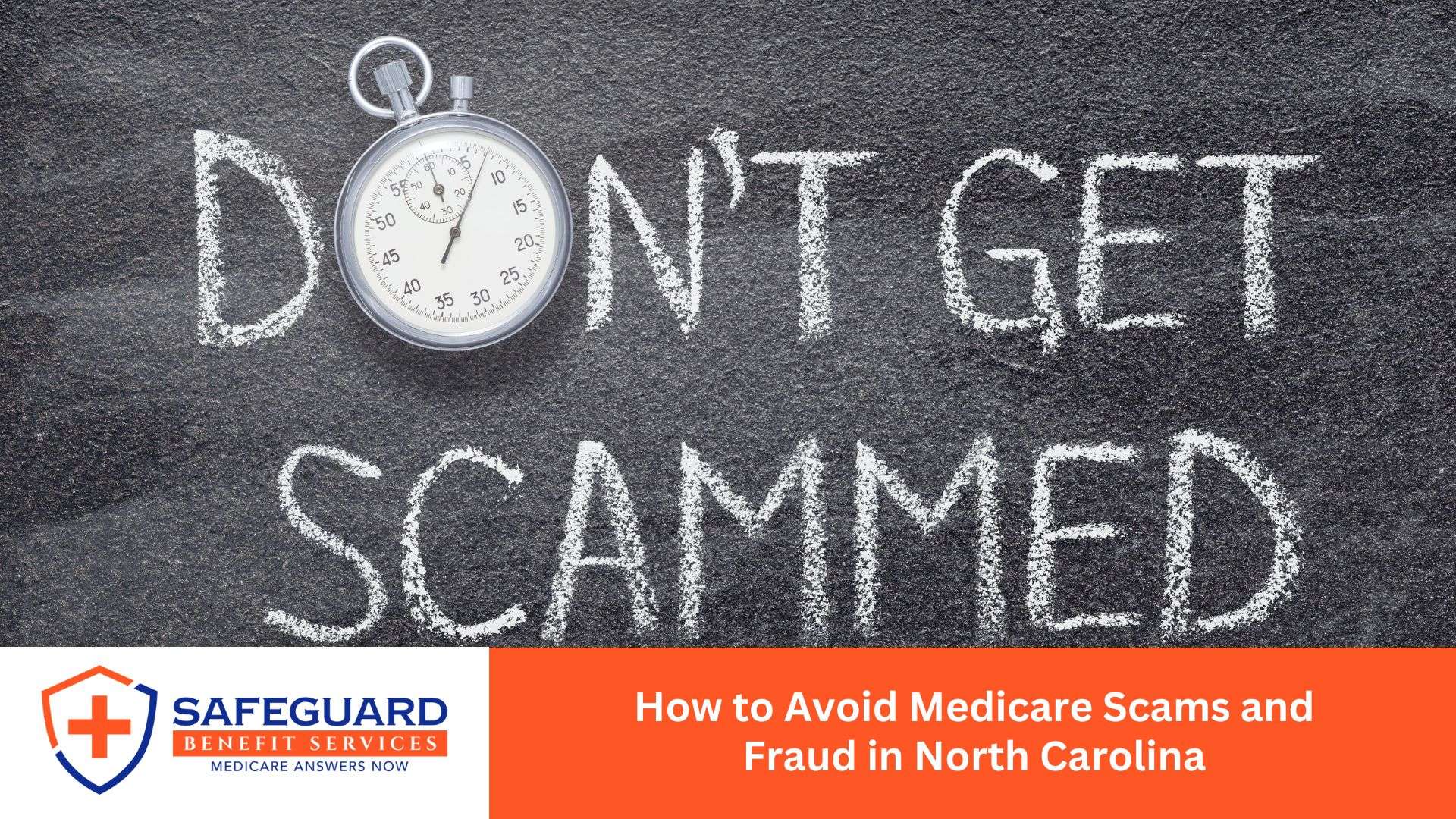
Medicare fraud isn’t just a national problem—it’s a local crisis. In 2023 alone, Medicare scams cost taxpayers $60 billion, with North Carolina seniors increasingly targeted due to the state’s recent Medicaid expansion. Now, over 2.9 million North Carolinians qualify for Medicaid, creating a larger pool of potential victims for fraudsters.
Scammers are exploiting confusion around healthcare changes, using sophisticated tactics to steal personal information, drain benefits, and even jeopardize medical care. But knowledge is power. In this guide, you’ll learn how to spot red flags, protect your Medicare number, and report fraud—ensuring your health and finances stay safe.
Safeguard Benefit Services, a trusted North Carolina Medicare advisor, is here to help. Call us at (704) 412-6989 for personalized support.
Understanding Medicare Scams
What Is Medicare Fraud?
Medicare fraud occurs when individuals or providers deliberately deceive the Medicare system for financial gain. Common schemes include:
- Billing for services never provided.
- Using stolen Medicare numbers to file false claims.
- Offering “free” medical equipment in exchange for personal details.
Example: A Charlotte senior received a call offering a “no-cost” knee brace. After sharing her Medicare number, $3,000 in fraudulent charges appeared on her statement.
6 Common Tactics Used by Scammers
- The “Free” Service Trap
“Your Medicare plan qualifies you for a free back brace! Just confirm your Medicare number.”
Why it works: Scammers exploit the desire to save money. - Phony Plan Upgrades
“Your current plan is expiring—we need to renew your Medicare card immediately!”
Red flag: Medicare never calls to update your card. - Threats to Cancel Coverage
“Your benefits will end tomorrow unless you verify your Social Security number.”
Defense: Hang up. Medicare won’t threaten you. - Fake Refund Offers
“You’re owed a $500 refund! Share your bank details to claim it.”
Risk: Bank account drained + identity theft. - Door-to-Door “Medicare Helpers”
Imposters posing as Medicare reps ask to see your card “to confirm your health insurance eligibility.” - Genetic Testing Scams
Fraudulent pop-up clinics in 2024 or 2025 offer “free” DNA tests to harvest Medicare numbers.
Key Insight: Scammers often spoof caller IDs to appear as “1-800-MEDICARE” or local agencies. Verify any unsolicited contact.
Warning Signs of a Medicare Scam
Stay alert for these red flags:
- Urgency: “Act now or lose benefits!”
- Requests for personal data: Medicare already has your info.
- Offers too good to be true: Free services, gift cards, or prizes.
- Pressure to switch plans: Legitimate agents won’t rush you.
Critical Times to Be Vigilant
- Medicare Open Enrollment (Oct 15–Dec 7): Scammers push fake plan changes.
- After natural disasters: Fraudsters pose as FEMA or Medicare helpers.
Did you spot a health insurance scam? Contact Safeguard Benefit Services at (704) 412-6989 for immediate assistance.
How to Protect Yourself from Medicare Fraud
Step 1: Guard Your Medicare Number Like Cash
- Never share your Medicare card, Social Security number, or bank details with unsolicited callers.
- Shred old Medicare statements to prevent “dumpster diving” theft.
Step 2: Review Statements Religiously
- Compare Medicare Summary Notices (MSNs) with your calendar. Question unfamiliar charges.
- Check for duplicate billing, like two flu shots in one month.
Step 3: Verify Before Trusting
- Hang up and call 1-800-MEDICARE to confirm suspicious calls.
- Use Medicare.gov to check claims and update accounts—never click email links.
Step 4: Avoid “Free” Medical Offers
- Decline genetic testing, braces, or screenings from pop-up clinics.
- Report unsolicited equipment deliveries to Medicare.
Step 5: Educate Family Members
- 1 in 3 fraud cases involve a caregiver. Teach loved ones to recognize scams.
Pro Tip: Sign up for Medicare’s “MSN” email alerts to track claims in real time.
Reporting Medicare Fraud in North Carolina
Who to Contact
- Medicare Fraud Hotline: 1-800-MEDICARE (1-800-633-4227).
- HHS Office of Inspector General: 1-800-HHS-TIPS or HHSTips@oig.hhs.gov.
- NC Senior Medicare Patrol (SMP): 1-855-408-1212 (free counseling).
- NC Medicaid Investigations Division: (919) 881-2320.
What to Report
- Charges for services you never received.
- Calls/DMs asking for your Medicare number.
- Providers billing for “upgraded” services.
Note: Reporting protects others—even small scams fund larger criminal networks.
Resources for North Carolina Residents
- NC SHIIP Program: Free Medicare counseling via the NC Department of Insurance.
- Senior Medicare Patrol (SMP): Teaches fraud prevention through local workshops.
- Safeguard Benefit Services: Charlotte-based experts offering plan reviews and scam alerts. Call (704) 412-6989.
Conclusion
Medicare scams prey on trust, but you’re not defenseless. By monitoring statements, rejecting unsolicited offers, and reporting fraud, you protect both your health and North Carolina’s healthcare system.
Contact us
Need Help? Safeguard Benefit Services simplifies Medicare. Call (704) 412-6989 today—because peace of mind is priceless.
Request a No Obligation Phone Call




Get Connected