

Medicare Part B covers medically necessary durable medical equipment for use in your home, and once you meet the Part B deductible you generally pay 20% of the Medicare-approved amount. Suppliers must be Medicare-enrolled, and starting in 2026, certain items require prior authorization before Medicare will pay the claim.
TL;DR:
- For 2026, the $283 Part B deductible applies first; suppliers that accept assignment limit your coinsurance to 20% of Medicare’s approved amount.
- Many costly items, including wheelchairs and hospital beds, follow a rental path lasting 13 months before ownership transfers; oxygen equipment has separate rental and upkeep rules.
- For certain equipment codes, nationwide prior authorization becomes a payment condition on October 28, 2026; ask the supplier for the Unique Tracking Number before shipment.
- If you live in a Competitive Bidding Area, Medicare may require a contract supplier for covered items, so verify local rules before ordering.
Table of Contents
- What Durable Medical Equipment Does Medicare Cover?
- Who Can Order DME and What Counts as Your Home?
- What Will DME Cost You Under Medicare?
- Prior Authorization: What Changed for DME in 2026
- Finding and Vetting a Medicare-Enrolled DME Supplier
- When Medicare Denies a DME Claim
- What Beneficiaries Get Wrong About DME Coverage
- Get Help Sorting Out Your Medicare Coverage
- FAQ
- Sources
What Durable Medical Equipment Does Medicare Cover?
Durable medical equipment, or DME, refers to equipment that holds up to repeated use, serves a medical purpose, is normally useless to someone who isn’t sick or injured, and is appropriate for use in the home. Medicare Part B pays for it when a doctor confirms you need it for a diagnosed condition, according to Medicare’s DME coverage page.
Common covered items include:
- Canes, walkers, and manual or power wheelchairs
- Hospital beds and patient lifts for home use
- Oxygen equipment and CPAP machines for sleep apnea
- Blood glucose monitors and test strips
- Infusion pumps and pressure-reducing support surfaces
Medicare decides item by item whether you rent or buy. Inexpensive or routinely purchased items, like canes, are bought outright. Higher-cost items such as hospital beds and wheelchairs are typically rented, with ownership often transferring to you after a set rental period, according to Medicare’s DME booklet.
Who Can Order DME and What Counts as Your Home?
A doctor, nurse practitioner, physician assistant, or clinical nurse specialist can write the order for your equipment. Some items, including power wheelchairs, require a face-to-face exam and additional documentation before Medicare approves the request.
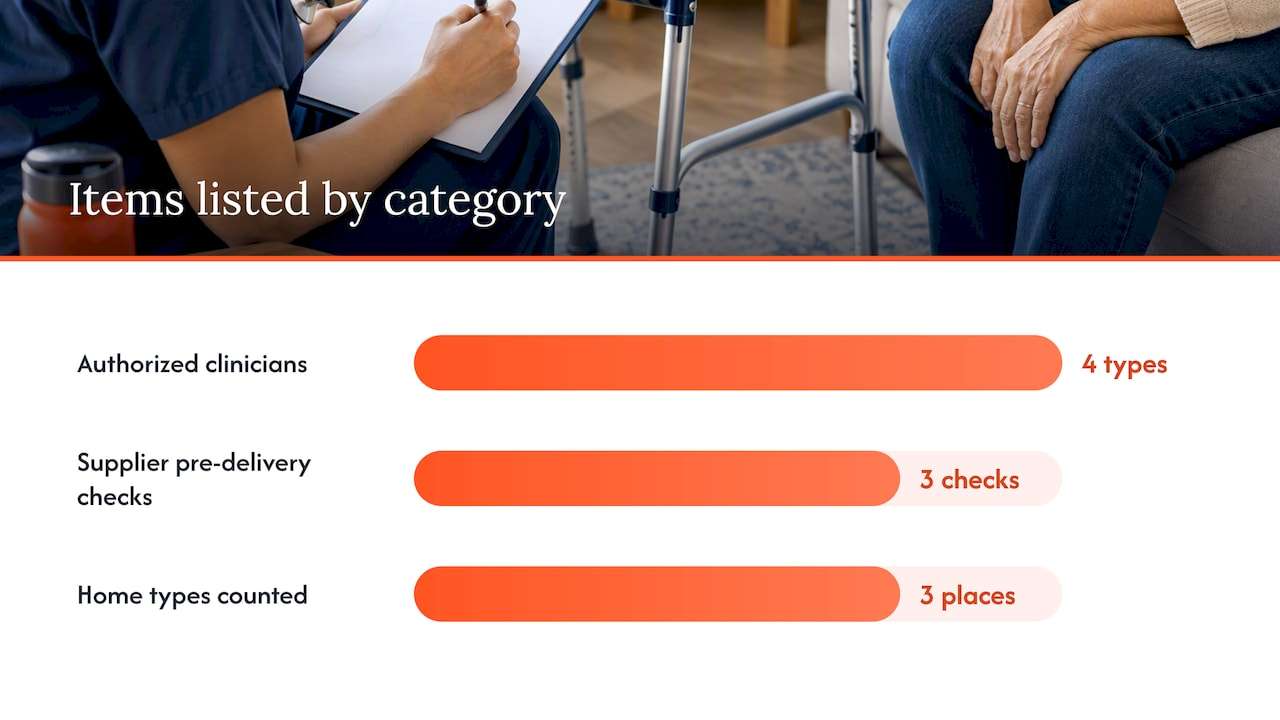
Your “home” can be your house, apartment, or a relative’s home where you live. It generally does not include a hospital or skilled nursing facility, since those settings already provide equipment as part of your care.
Before delivery, your supplier should:
- Confirm it’s enrolled in Medicare and accepts Medicare assignment
- Secure any required prior authorization before shipping the item
- Verify your diagnosis and documentation match what Medicare requires
What Will DME Cost You Under Medicare?
For 2026, the Medicare Part B deductible is $283, and the standard monthly Part B premium is $202.90, which together form the baseline for how much DME cost-sharing you’ll face this year, according to Medicare’s 2026 costs publication. Once you’ve met the deductible, you typically owe 20% of the Medicare-approved amount for most covered DME, as long as your supplier accepts assignment.
Rental timelines vary by item. Many items follow a 13-month rental-to-ownership path, after which the equipment becomes yours, while oxygen equipment follows its own rental and maintenance schedule where the supplier remains responsible for upkeep, per Medicare’s DME publication.
- Assignment-accepting suppliers can only charge you the 20% coinsurance after the deductible
- Non-assignment suppliers can bill you more, and you may need to pay upfront and seek reimbursement
- Repairs and maintenance during a rental period are generally the supplier’s responsibility
Learn more about how Part B cost-sharing works across different services.
Prior Authorization: What Changed for DME in 2026
Prior authorization means Medicare must review and approve certain equipment before payment, not just before delivery. CMS runs a formal Prior Authorization Process for certain DMEPOS items, and several HCPCS codes were added or phased in with 2026 effective dates, with prior authorization becoming a nationwide condition of payment for specific codes on October 28, 2026.
Recent additions phased into the required list include certain orthoses, pressure-reducing support surfaces (PRSS), and manual wheelchair bases, with upper-limb orthoses rolling in on a separate phased schedule.
- Suppliers submit the prior authorization request with clinical documentation before delivering the item
- Medicare typically issues a decision with a Unique Tracking Number (UTN) that must accompany the claim
- Suppliers with strong compliance records may qualify for an exemption from submitting PA requests, under the process detailed in the CMS Operational Guide
Pro Tip: Ask your supplier for the UTN before the item ships, since a missing or mismatched UTN is one of the fastest ways a DME claim gets denied.
Finding and Vetting a Medicare-Enrolled DME Supplier
Start with the Medicare supplier search tool or call 1-800-MEDICARE to confirm a supplier is enrolled and in good standing before you order anything. If you live in a Competitive Bidding Area, you may be required to use a contract supplier for certain items to get Medicare payment at all, according to the Competitive Bidding Program guide.
Before you commit to a supplier, confirm:
- Their Medicare supplier number and enrollment status
- Whether they accept assignment for both rentals and purchases
- Who handles the prior authorization submission, and when
- Their policy for rental-month billing, repairs, and equipment pickup
Pro Tip: Get the supplier’s repair and pickup policy in writing before delivery, not after something breaks.
When Medicare Denies a DME Claim
Denials usually trace back to a few causes: missing prior authorization, a supplier that isn’t enrolled or won’t accept assignment, or documentation that doesn’t clearly establish medical necessity.
If you get a denial, request the decision letter, confirm the UTN and PA details match your claim, and ask your supplier to resubmit with corrected documentation.
- Contact your DME Medicare Administrative Contractor (MAC) for claim-specific questions
- Call 1-800-MEDICARE for general guidance on next steps
- Review the appeals process outlined on Medicare.gov before your filing deadline passes
What Beneficiaries Get Wrong About DME Coverage
The most common mistake isn’t picking the wrong equipment, it’s skipping the enrollment and assignment check until after the item arrives. Confirming a supplier’s status and any prior authorization early avoids weeks of back-and-forth and unexpected bills.
— Zach
Get Help Sorting Out Your Medicare Coverage
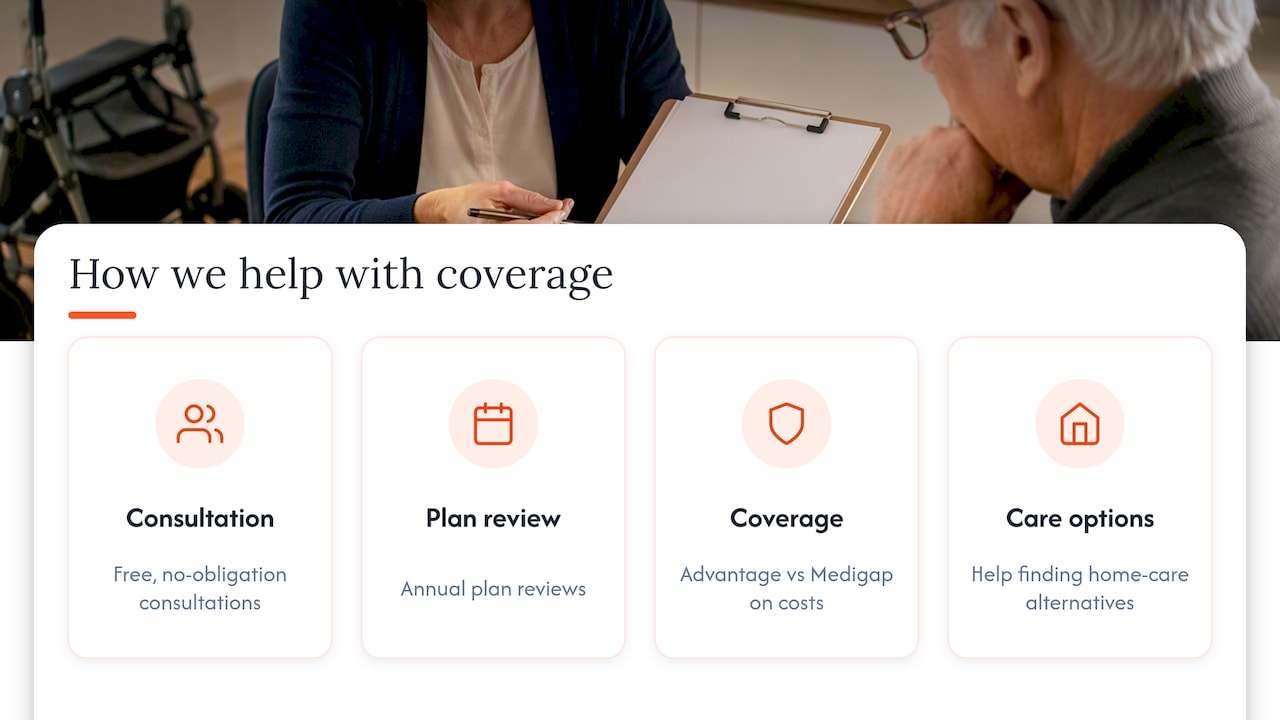
Figuring out how DME coverage, deductibles, and prior authorization fit together with your specific Medicare plan takes more than reading a booklet, especially when a Medigap policy is also part of the picture. Our team at Safeguard Benefit Services walks Charlotte-area clients through exactly how their Medicare Advantage, Medigap, or Part D coverage interacts with equipment costs, so there are no surprises when a claim comes through.

We offer free, no-obligation consultations and annual plan reviews, and we help you understand how Medicare Advantage differs from Medigap when it comes to equipment cost-sharing and network rules. When Medicare’s coverage gaps leave a need unmet, such as ongoing home care needs outside of DME, families can also look into options like home care coverage alternatives for support Medicare doesn’t fully address. Reach out through our plan consultation page to set up a time that works for you.
This article is general information, not a substitute for advice from a qualified doctor. Consult a qualified healthcare professional about your own circumstances before acting on anything here.
FAQ
What durable medical equipment will Medicare pay for?
Medicare Part B pays for equipment like wheelchairs, walkers, hospital beds, oxygen equipment, CPAP machines, and glucose monitors when a doctor documents medical necessity for home use. Coverage requires the item to meet Medicare’s definition of durable, medical, and appropriate for home use, according to Medicare’s coverage guidelines.
What are the five things that Medicare will not cover in 2026?
Medicare generally does not cover equipment used only for comfort or convenience, items intended for use outside the home, equipment without a documented medical need, disposable supplies not tied to a covered device, and items from suppliers that aren’t Medicare-enrolled. Specific exclusions depend on the equipment type and your documentation, so it’s worth confirming details with your supplier or the DME coverage booklet.
Who are the biggest DME companies?
Medicare does not publish a ranking of DME suppliers by size, and supplier availability depends heavily on where you live and whether you’re in a Competitive Bidding Area. The most reliable approach is checking the Medicare supplier search tool for enrolled suppliers near you rather than relying on company size.
Does Medicare pay 100% of anything related to DME?
No, Medicare Part B does not cover DME at 100% for most beneficiaries; you typically pay 20% of the Medicare-approved amount after meeting your Part B deductible. Some Medigap plans can cover that remaining coinsurance, which is worth reviewing if you want to reduce out-of-pocket DME costs.
How does prior authorization affect how fast I get my equipment?
Prior authorization adds a review step before Medicare approves payment, so items on the required list may take longer to arrive if your supplier submits documentation late or incompletely. Asking your supplier for the UTN and expected timeline upfront helps you plan around potential delays described in the CMS prior authorization process.
Sources
Recommended
Request a No Obligation Phone Call








Get Connected