

Medicare Advantage plans can include dental coverage, but Original Medicare almost never does. The catch is that coverage varies enormously from plan to plan, ranging from a free annual cleaning to several thousand dollars toward crowns and dentures. Most plans split benefits into preventive-only or comprehensive tiers, cap what they’ll pay each year, and restrict which dentists you can see. Knowing which category your plan falls into determines whether you’re protected or exposed.
TL;DR:
- Most Medicare Advantage plans offer some form of dental benefit, but the scope varies from preventive-only services to comprehensive restorative procedures with annual caps typically between $1,000 and $3,000.
- Reading the formal Evidence of Coverage is essential to understand exactly which dental procedures are covered, what the limits are, and whether prior authorization is required, as marketing materials are not legally binding.
- Major restorative services like crowns or root canals can quickly exhaust your annual cap, leaving you to pay full price, especially if preventive services are combined with vision and hearing benefits under a shared limit.
- In-network dentists and plan type (HMO or PPO) significantly influence costs and coverage, so verifying your dentist’s network status beforehand prevents unexpected out-of-network charges.
- When your dental benefits fall short, considering standalone dental insurance or coverage through Medicaid for dual-eligibles can help manage high out-of-pocket costs.
Table of Contents
- What Do Medicare Advantage Dental Benefits Typically Include?
- How Does Coverage Actually Work Under Your Plan?
- What Dental Procedures Do MA Plans Usually Cover?
- What Will Dental Care Actually Cost You Under Medicare Advantage?
- Do Dentists Accept Medicare Advantage Plans?
- How Do You Confirm Your Exact Dental Coverage?
- What If Your Plan’s Dental Benefits Fall Short?
- What People Get Wrong About Medicare Advantage Dental Benefits
- Get Help Choosing a Medicare Advantage Plan With Real Dental Coverage
- Sources
- FAQ
What Do Medicare Advantage Dental Benefits Typically Include?
Roughly 9 out of 10 Medicare Advantage plans now offer some form of dental benefit, according to industry tracking from Milliman’s 2025 analysis. That number sounds reassuring until you realize “some dental benefit” can mean anything from two free cleanings a year to a full restorative package with crowns and dentures.
Plans generally fall into two buckets:
- Preventive-only: cleanings, exams, and X-rays, usually at no extra cost when you stay in-network.
- Comprehensive: preventive care plus basic and major restorative services like fillings, extractions, crowns, root canals, and sometimes dentures or implants.
Annual dollar caps are the norm rather than the exception. Many embedded dental benefits fall in the $1,000 to $3,000 range per year, though consumer research summarized by CoveredUSA notes some plans bundle dental with vision and hearing under a single shared limit rather than giving dental its own separate cap. That distinction matters when you’re budgeting: a shared $1,500 limit disappears fast if you also need new glasses.
How the benefit gets delivered also affects your premium. An embedded benefit is baked into the plan at no extra monthly charge, though it’s often thinner in scope. A standalone rider costs an added monthly premium but typically buys a higher annual maximum and a broader service list. Insurers like UnitedHealthcare market both structures side by side, and the difference in what you actually get can be substantial even within one carrier’s portfolio.
How Does Coverage Actually Work Under Your Plan?
The marketing brochure you got in the mail is not a legal document. The Evidence of Coverage (EOC) is. It’s the contract that spells out exactly which dental procedures are covered, what the annual limits are, how often you can use each benefit, and where prior authorization kicks in. Summary of Benefits documents give you the highlights, but only the EOC has the fine print that determines whether your root canal gets paid.
Here’s how to track it down and read it correctly:
- Log into your plan’s member portal or call member services to request your current EOC.
- Search the dental section for covered procedure codes, not just category names like “basic restorative.”
- Note the annual maximum and whether it’s shared with vision or hearing benefits.
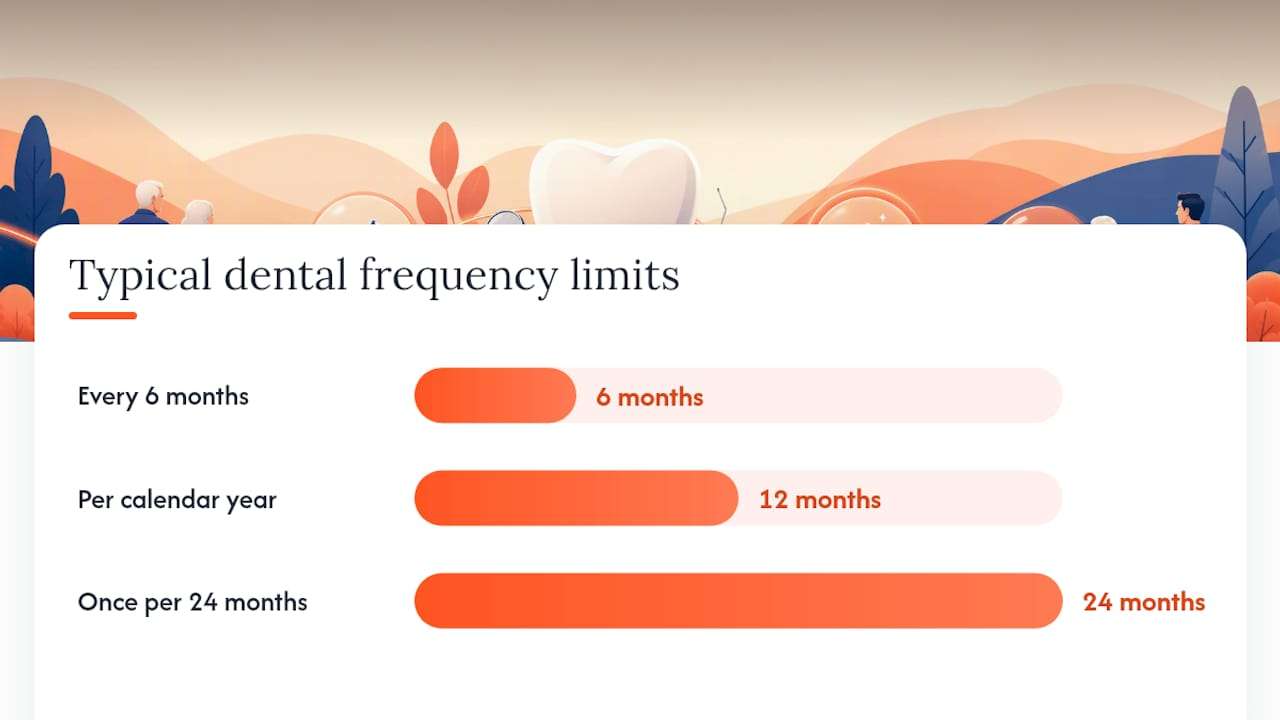
- Check frequency limits (once every six months, once per calendar year, once per 24 months).
- Confirm which services require prior authorization before you schedule anything major.
One nuance that trips people up: having a MAPD plan (Medicare Advantage with prescription drug coverage) tells you nothing about dental benefits. Drug coverage and dental coverage are decided independently within the plan design. A plan can bundle robust Part D coverage with bare-bones dental, or the reverse.
Starting in 2026, CMS guidance requires plans to notify enrollees who haven’t used certain supplemental benefits, including dental, so members are reminded of value they’re paying for but not tapping. If you get one of these notices, treat it as a prompt to actually schedule that cleaning or exam before the plan year resets.
Pro Tip: Two plans from the same insurance company in the same ZIP code can have completely different dental structures. Never assume your neighbor’s plan benefits match yours just because the carrier name is identical.
What Dental Procedures Do MA Plans Usually Cover?
Preventive care is the most reliably covered category across nearly every Medicare Advantage dental plans. Cleanings, routine exams, and X-rays are typically included at no cost in-network, since insurers know preventive visits are cheap and reduce expensive claims later.
Coverage gets more variable as procedures get more serious:
- Basic restorative: fillings, simple extractions, and periodontal treatment, usually with a copay or coinsurance.
- Major restorative: crowns, root canals, bridges, and dentures, often subject to the plan’s annual dollar cap.
- Implants and complex prosthodontics: covered on some higher-tier plans or dental riders, but frequently gated behind prior authorization and a waiting period.
Original Medicare’s position hasn’t changed: it covers dental only when the procedure is integral to another Medicare-covered medical service, such as jaw reconstruction after an accident. Outside that narrow exception, Medicare that Part B dental services require 20% coinsurance after the deductible, and routine dental care simply isn’t part of Original Medicare at all.
KFF’s analysis of Medicare dental coverage points to a real risk here: beneficiaries with serious dental needs, like someone who needs multiple crowns or a full denture, often burn through their annual cap fast and then pay full price for the rest of the year. A plan advertising “dental coverage” on its brochure can still leave you writing a large check by autumn.
What Will Dental Care Actually Cost You Under Medicare Advantage?
Annual caps are where good intentions meet reality. Embedded dental benefits commonly have moderate annual caps, while standalone riders can push higher caps, often in exchange for a monthly premium add-on. Once you hit that ceiling, you’re paying 100% of the cost for the rest of the plan year, no matter how routine the next procedure is.
Some plans carve preventive services out of the cap entirely, letting cleanings and exams run unlimited while restorative work draws down the dollar limit. That’s a meaningfully better design if you expect to need more than routine care, so it’s worth confirming which model your plan uses.
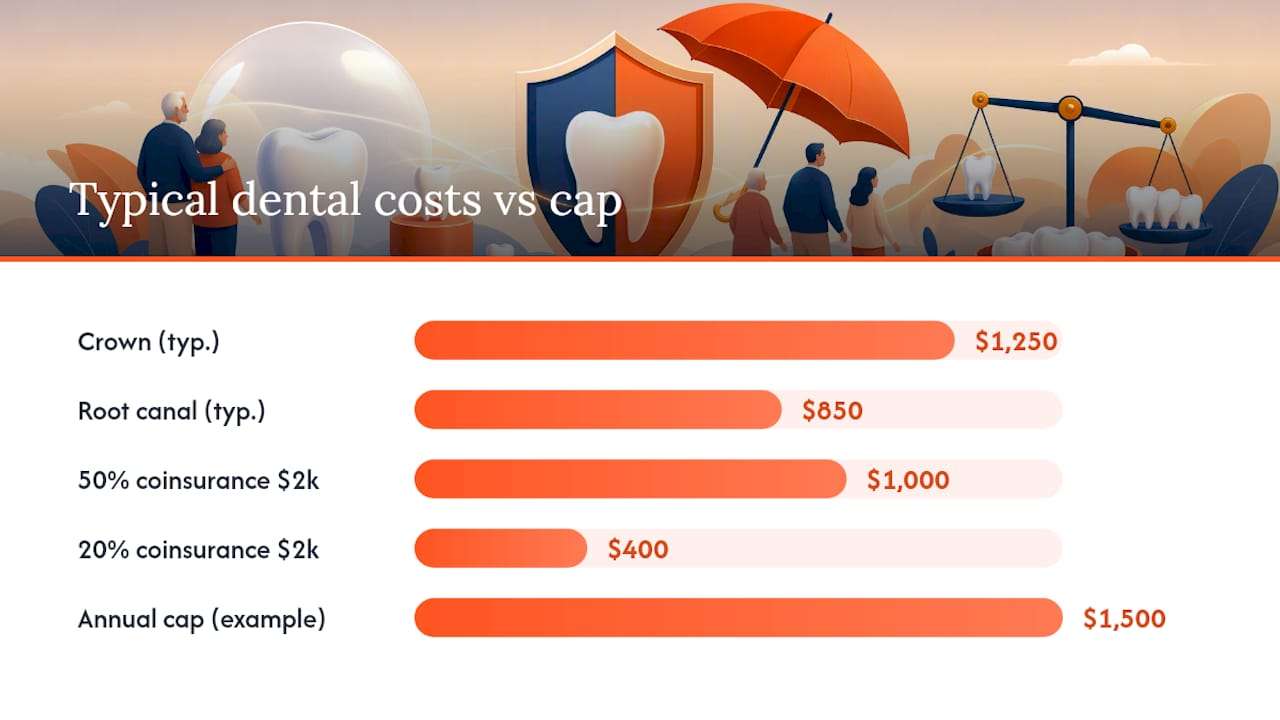
Consider a realistic scenario: a crown runs roughly $1,000 to $1,500, a root canal adds another $700 to $1,000, and a second crown the following month pushes total costs past $2,500 before the plan year is halfway through. A $1,500 annual cap gets exhausted almost immediately, leaving the rest as out-of-pocket expense.
- Ask whether your plan requires a separate deductible for dental before benefits apply.
- Confirm whether major services need prior authorization, since a denied authorization means you pay the full rate.
- Compare your plan’s coinsurance percentage for major restorative work; 50% coinsurance on a $2,000 procedure is a very different bill than 20%.
Pro Tip: Call your dental office’s billing department before a major procedure and ask them to run a pre-treatment estimate through your plan. It costs nothing and tells you your exact exposure before you commit to treatment.
Do Dentists Accept Medicare Advantage Plans?
Many dentists accept Medicare Advantage, but only within specific networks, and that network is separate from your plan’s medical provider list. A dentist showing up as in-network for your primary care doctor’s plan tells you nothing about dental access; dental networks are built and maintained separately, even within the same insurance company.
Plan type changes your exposure to out-of-network costs:
- HMO dental plans generally require you to stay in-network entirely, with little to no coverage outside it.
- PPO dental plans usually allow out-of-network care but at a noticeably higher coinsurance rate.
- Before scheduling anything, pull up your plan’s online provider directory and search specifically for “dental network,” not the general medical directory.
- Call member services to confirm the dentist’s in-network status is current. Directories lag behind real-world changes more often than insurers admit.
- Ask the dental office directly to verify your plan and benefit codes before your appointment, since offices sometimes carry outdated network information themselves.
If your current plan’s HMO or PPO structure is limiting your dental options, that’s worth flagging during your next enrollment window.
How Do You Confirm Your Exact Dental Coverage?
A short checklist beats a guessing game. Before you book any dental work beyond a routine cleaning, walk through this:
- Pull your EOC and Summary of Benefits from your member portal, or call to request mailed copies.
- Check covered procedures by code, the annual dollar cap, frequency limits, prior authorization rules, and the in-network dentist list.
- Verify the effective date of your current benefit year, since caps reset annually.
When you call member services, ask directly: “What is my dental annual maximum, is it shared with vision or hearing, and does this specific procedure require prior authorization?” Then call your dentist’s office and confirm they bill using the same procedure code your plan lists.
- Save every authorization number you’re given, in writing if possible.
- Request written confirmation of coverage before major work begins.
- Keep a copy of the EOC page referencing your specific benefit for future disputes.
What If Your Plan’s Dental Benefits Fall Short?
Standalone dental insurance is the most common fallback when a Medicare Advantage plan’s dental cap won’t cover what you need. Private dental plans typically run $20 to $60 a month depending on coverage depth, often with higher annual maximums than embedded MA benefits, though usually with waiting periods for major work.
If you’re a dual-eligible beneficiary, check your state Medicaid program directly. Some states cover routine and even major dental services for dual-eligibles that Medicare Advantage wouldn’t touch, and that coverage can be more generous than anything on the Medicare side.
- Switching MA plans during the Annual Enrollment Period makes sense if your current dental benefit is genuinely thin and a better local option exists.
- Buying separate dental coverage makes sense when you like your current MA plan’s medical benefits but need deeper dental protection.
- Community health centers, dental school clinics, and discount dental plans can fill gaps for beneficiaries facing high out-of-pocket costs between enrollment windows.
What People Get Wrong About Medicare Advantage Dental Benefits
The biggest misconception isn’t that dental coverage doesn’t exist. It’s that people assume “has dental benefits” and “covers my dental needs” mean the same thing. They rarely do. A plan can legitimately advertise dental coverage while capping annual benefits low enough that one bad tooth wipes out the entire allowance by March.
The other blind spot is treating dental like an afterthought during enrollment season, when it deserves the same scrutiny as drug formularies. If you have dentures, missing teeth, or gum disease already diagnosed, your dental benefit structure should weigh as heavily in plan selection as your prescription list does.
We see the confusing language in Evidence of Coverage documents trip up smart people constantly. Complex dental needs, implant coverage questions, or dual-eligible situations are exactly where a second set of eyes helps, not because the information is secret, but because the fine print is genuinely dense and inconsistent from plan to plan.
— Zach
Get Help Choosing a Medicare Advantage Plan With Real Dental Coverage
Comparing dental benefits across a dozen Medicare Advantage plans in Charlotte means reading a dozen Evidence of Coverage documents, and most people don’t have the time or patience for that. Some agencies offer comparison services, checking annual dental caps, network rules, and prior authorization requirements before you pick a plan, to help avoid being stuck with one that falls short.

A free consultation walks through your dental needs alongside your medical and prescription coverage, so you’re not choosing a plan based on the dental brochure alone. If you want a straightforward comparison of what each Medicare Advantage plan actually pays for dental care, consider scheduling a consultation with a knowledgeable Medicare insurance agency for guidance before your next enrollment deadline.
Sources
For the government’s own coverage rules, Medicare.gov’s dental services page explains exactly when Part A and Part B apply. KFF’s dental coverage analysis covers prevalence and out-of-pocket risk trends. CMS’s dental coverage guidance documents plan-level rules and the 2026 unused-benefit notification requirement. Milliman’s dental landscape report tracks how benefit design has shifted industry-wide.
This article is general information, not a substitute for advice from a qualified financial advisor. Consult a qualified financial professional about your own circumstances before acting on anything here.
- Medicare
- Medicare Advantage dental landscape — Milliman (2025 PDF)
- Medicare and Dental Coverage: A Closer Look — KFF
FAQ
Which Medicare Advantage Plan Has the Best Dental Benefits?
There’s no single best plan nationally since dental benefits vary by carrier, county, and even plan year. The strongest approach is comparing the actual Evidence of Coverage documents for plans available in your ZIP code, ideally with help reviewing annual caps and covered procedures.
Does Medicare Pay for Dental Implants?
Original Medicare does not cover dental implants under any circumstances. Some Medicare Advantage plans cover implants on higher-tier benefits or dental riders, but typically require prior authorization and may apply the procedure against your annual dollar cap.
Do Medicare Advantage Plans Pay for Dental Care?
Most Medicare Advantage plans include some dental benefit, but the scope ranges from preventive-only cleanings to comprehensive restorative coverage with annual caps often between $1,000 and $3,000. Checking your plan’s Evidence of Coverage is the only way to know your exact benefit.
Do Dentists Accept Medicare Advantage?
Many dentists accept Medicare Advantage, but only for plans where they’re listed in that plan’s specific dental network, which is separate from the medical provider network. Always verify network status directly with the dental office and your plan’s member services before scheduling treatment.
Recommended
- Medicare: Will It Cover Dental, Vision And Hearing In 2025?
- Medicare Cover Dental Plan For Seniors: Medicare Dental Vision And Hearing Coverage What Are Your Options
- Medicare Advantage Plan Vs. Medicare Supplement Plans: Choosing The Best Option For You In 2025
- Comparing Medicare Advantage Vs Medigap Plans
Request a No Obligation Phone Call








Get Connected