

Are you under 65, living with a disability, and confused about your Medicare options? Understanding Medicare coverage for people under 65 with disabilities is critical—yet it’s often overwhelming. As North Carolina’s trusted Medicare specialists, Safeguard Benefit Services breaks down what you need to know about eligibility, enrollment, and making the smartest plan choices for your needs.
Who Qualifies for Medicare Under 65 Due to Disability?
Most people think you must turn 65 to qualify for Medicare, but if you receive disability benefits from Social Security or the Railroad Retirement Board, you may be eligible for Medicare at any age. The two main paths are:
- Receiving Social Security Disability Insurance (SSDI) and have been receiving disability benefits for 24 months
- Having certain serious medical conditions, including End-Stage Renal Disease (ESRD) or Amyotrophic Lateral Sclerosis (ALS/Lou Gehrig’s disease), which may qualify you for earlier Medicare coverage
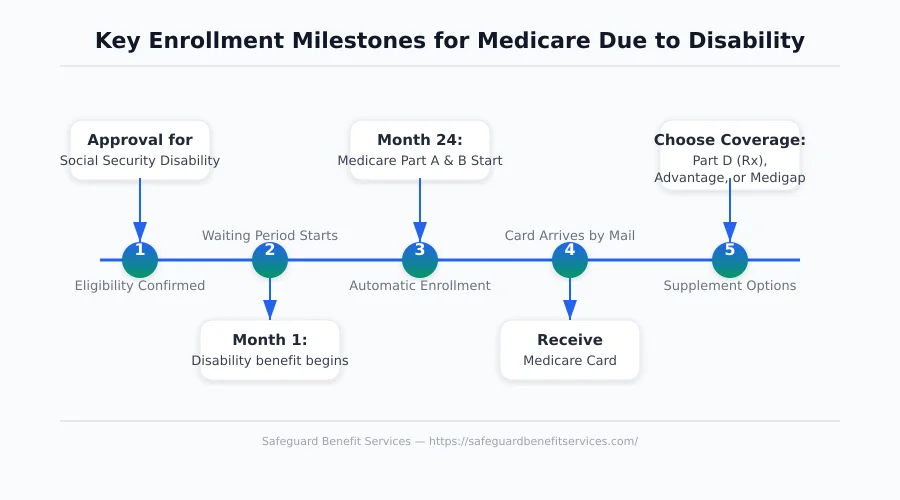
If you meet these requirements, you’re typically automatically enrolled in Medicare Parts A and B after 24 months of disability benefits—no need to sign up for Medicare separately. (Source: Medicare.gov – Other Paths)

What Does Medicare Cover for People With Disabilities?
Once you’re enrolled, your Medicare coverage includes hospital insurance (Part A) and medical insurance (Part B):
- Medicare Part A (hospital insurance): Covers hospital stays, some home health care, hospice, and skilled nursing facility care.
- Medicare Part B (medical insurance): Covers doctor visits, outpatient care, preventive services, durable medical equipment, and some therapies.
For people with disabilities, these benefits can be life-changing, offering comprehensive health insurance that may not be available through employer or individual plans. However, Medicare does not automatically include prescription drug coverage—that’s where Part D comes in.
How and When Do You Enroll in Medicare After Receiving Disability Benefits?
If you’ve been receiving Social Security disability benefits for 24 months, the system typically automatically enrolls you in Medicare. You’ll receive your Medicare card in the mail before your coverage begins, which is usually the first day of your 25th month of disability benefits.
For those with ALS, Medicare coverage starts the same month your Social Security disability benefits begin. For End-Stage Renal Disease, eligibility depends on factors like when you started dialysis or received a kidney transplant.
If you are not automatically enrolled or if you have questions about timing, the local experts at Safeguard Benefit Services can help you sign up for Medicare the right way, to ensure there are no gaps in your coverage.
Which Medicare Part D Prescription Drug Options Are Available?
Understanding prescription drug coverage is essential, especially for people under 65 with chronic health needs. Medicare Part D offers prescription drug coverage, but it’s not included with Original Medicare (Parts A and B). You will need to enroll in Medicare Part D separately or choose a Medicare Advantage plan that includes drug coverage.
- Stand-alone Part D plans: Can be added if you’re enrolled in Original Medicare.
- Medicare Advantage (Part C) plans: Many in North Carolina bundle health and drug coverage, but options can vary by region and health status.
Missing your initial enrollment period may result in lifelong late enrollment penalties for Part D, making timely decisions crucial.
Are Medicare Advantage Plans and Medigap Available to People With Disabilities?
People under 65 with disabilities can consider both Medicare Advantage plans (also known as Part C) and Medigap supplemental insurance—but there are important eligibility differences to know:
- Medicare Advantage: Anyone enrolled in Medicare Parts A and B is eligible to join a Medicare Advantage plan in North Carolina. These plans may offer extra benefits, like vision, dental, or wellness programs, and often lower out-of-pocket costs through managed care networks (HMO/PPO).
- Medigap (Medicare Supplement Insurance): Under federal law, carriers aren’t required to sell Medigap policies to those under 65, but some states (including North Carolina) do require some level of access. However, choices may be limited, and premiums are often higher for people under 65 due to disability status.
Working with a licensed, local insurance agent—like Safeguard Benefit Services — can help you compare networks, coverage levels, costs, and eligibility before making a decision.
Can You Switch Medicare Plans If Your Needs Change?
Yes, but there are timeframes. If you initially enroll due to disability, you can change your Medicare coverage during the annual Open Enrollment Period (October 15–December 7). The Initial Enrollment Period (IEP) is a one-time, seven-month window that begins three months before the month you turn 65, includes your birthday month, and ends three months after. There is no second IEP at age 65. If you miss your IEP, you may have to wait to sign up and could face late enrollment penalties. However, you can enroll during the General Enrollment Period from January 1 to March 31 each year, with coverage starting the month after you sign up. (Source: Medicare.gov – Medicare Coverage Start Dates)
If your disability improves and you return to work, you may be able to keep Medicare coverage for a limited time, usually up to 8.5 years, if you continue to meet Social Security’s definition of disability.
What Should Caregivers Know When Assisting a Family Member With Disability Medicare Enrollment?
If you are a caregiver or loved one helping someone navigate Medicare eligibility through disability, keep these best practices in mind:
- Confirm eligibility by checking disability status and the 24-month rule for Social Security disability insurance
- Track all communications from both Social Security and Medicare for enrollment dates and plan information
- Help review drug needs and compare Part D plans for their specific prescriptions
- Ask about Special Needs Plans (SNPs), which are tailored to people with certain disabilities, chronic diseases, or care needs
A knowledgeable agent can guide caregivers through the paperwork, enrollment deadlines, and appeals, ensuring no steps are missed.

What Makes Safeguard Benefit Services Your Local Medicare Disability Resource?
Navigating Medicare for people under 65 with disabilities isn’t simple—but you don’t have to do it alone. Safeguard Benefit Services has been in business for 9 years, since February 2, 2017, serving North Carolina seniors and people with disabilities. Our team is licensed, independent, and dedicated to helping you:
- Understand every Medicare Part and your eligibility
- Compare local Medicare Advantage, Part D, and Medigap plans
- Find network options (HMO, PPO) that fit your doctors and hospitals
- Navigate complex rules for moving from disability to Medicare at 65
- Support caregivers in making informed, stress-free choices
Contact Safeguard Benefit Services in Charlotte and across North Carolina for personalized answers to your Medicare disability questions—from enrollment timing to prescription drug and supplemental coverage. Whether you’re just starting disability, enrolling after 24 months, or already enrolled in Medicare, our compassionate team helps you make the right move with confidence. Get help with your Medicare disability coverage today.
This article is for informational purposes only and does not constitute financial advice. Consult a qualified professional for your specific situation.








Get Connected