
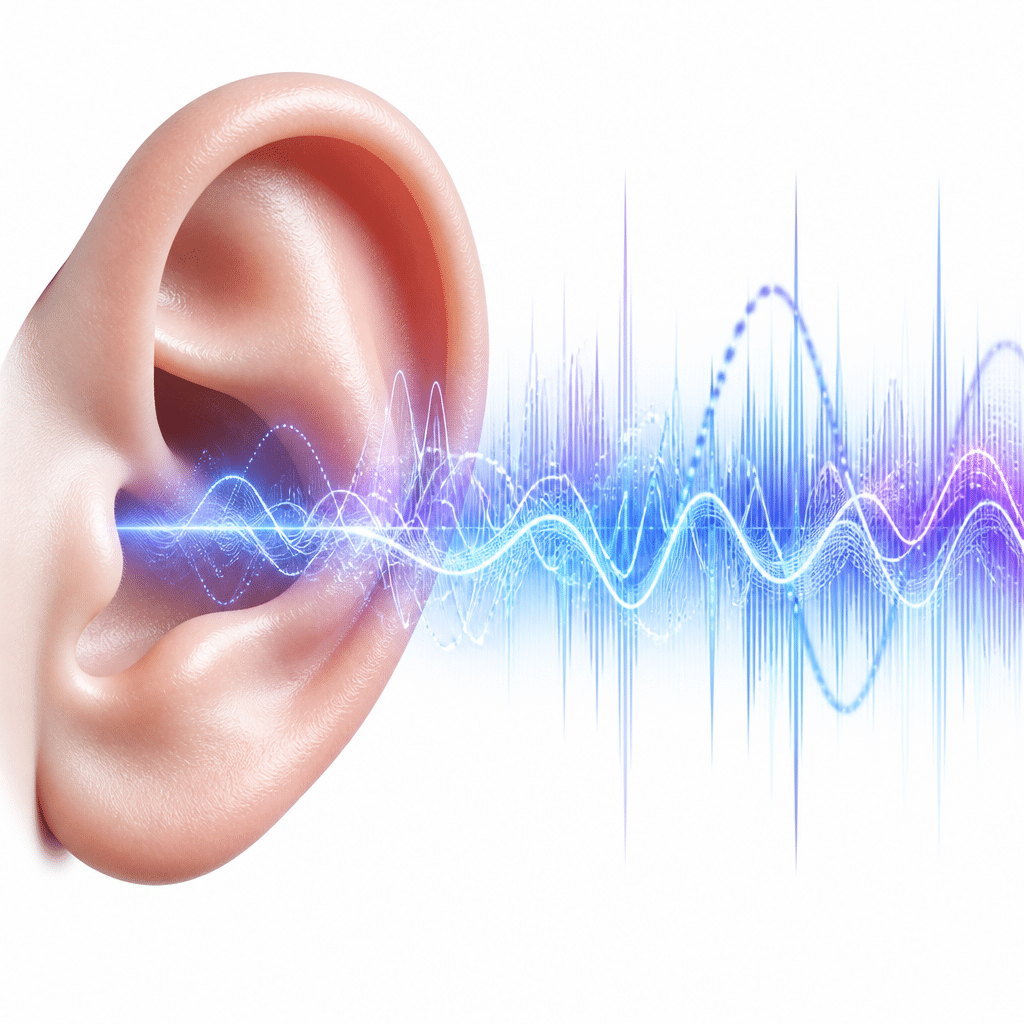
Most people turning 65 assume Medicare covers their hearing needs. Then they get the bill for a pair of hearing aids and discover it does not. Medicare hearing coverage is one of the most misunderstood corners of the entire Medicare system, and for North Carolina seniors, the gap between what you expect and what Original Medicare actually pays can cost thousands of dollars. Around 30 to 35 percent of adults between 65 and 75 have measurable hearing loss, and that number climbs to 40 to 50 percent for those 75 and older. Getting this part of your coverage right before you enroll matters more than most people realize.
Table of Contents
- Quick Takeaways
- What Original Medicare Actually Covers for Hearing
- Why Medicare Supplement Won’t Help with Hearing Aids
- Medicare Advantage: Your Real Option for Hearing Aid Coverage
- Comparing Your Hearing Coverage Options
- Other Ways NC Seniors Can Reduce Hearing Costs
- How Untreated Hearing Loss Affects Your Overall Health
- What to Ask Before You Pick a Plan
- Frequently Asked Questions
- References
Quick Takeaways
| Key Insight | Explanation |
|---|---|
| Original Medicare does NOT cover hearing aids | Medicare Parts A and B have never covered hearing aids or routine hearing exams. This is not a loophole or a recent change. It is a structural gap in the program. |
| Part B covers diagnostic hearing exams only | If your doctor orders a hearing or balance exam to evaluate a specific medical condition, Part B will cover it after you meet the deductible and pay 20% coinsurance. Routine screenings and fittings are not covered. |
| Medigap does not add hearing aid benefits | Medicare Supplement plans only fill cost gaps in what Original Medicare already covers. Since Original Medicare excludes hearing aids, Medigap cannot cover them either. |
| Medicare Advantage is your strongest option | About 94% of Medicare Advantage plans include some hearing benefit. Coverage varies widely by plan, so comparing options in your North Carolina county is essential before enrolling. |
| Hearing aid costs without coverage are significant | A pair of prescription hearing aids can range from roughly $1,000 to $6,000 depending on technology. The right Medicare Advantage plan can substantially reduce that out-of-pocket cost. |
| North Carolina Medicaid generally does not cover adult hearing aids | Unlike some states, North Carolina Medicaid does not broadly cover hearing aids for adults. If you rely on Medicaid or dual-eligible plans, confirm your specific benefits carefully. |
| Plan availability varies by county in NC | Medicare Advantage plan offerings differ by zip code. A plan with excellent hearing benefits available in Mecklenburg County may not be offered in a neighboring county. |
What Original Medicare Actually Covers for Hearing
Let’s be direct: Original Medicare, meaning Parts A and B, does not cover hearing aids or the exams used to fit them. This has been true since Medicare began and it remains true today. If you enroll in Original Medicare alone and later need hearing aids, you will pay the full cost out of pocket.
There is one narrow exception worth knowing. Medicare Part B does cover diagnostic hearing and balance exams when your doctor orders them to determine whether you need medical treatment for a specific condition, such as vertigo, sudden hearing changes, or a balance disorder. This is different from a routine screening or an audiologist appointment you schedule on your own. The test has to be medically necessary and ordered by your physician. If it qualifies, you pay the Part B deductible and then 20% of the Medicare-approved amount.
In a hospital outpatient setting, an additional copayment also applies. The bottom line is that Part B hearing coverage is narrow and conditional. It will never pay for the hearing aids themselves, and it will not cover a routine annual hearing test even if you have been experiencing gradual hearing decline for years.
Pro tip: If you notice hearing changes before your Medicare enrollment date, ask your primary care physician to order a diagnostic hearing exam rather than self-referring to an audiologist. That referral path is the one Original Medicare recognizes, and getting documented results in your medical record will also help you compare Medicare Advantage hearing benefit options more precisely.

Why Medicare Supplement Won’t Help with Hearing Aids
This is a point that surprises many people approaching Medicare enrollment. Medicare Supplement plans, also called Medigap, are designed to cover the cost-sharing that Original Medicare leaves behind: deductibles, coinsurance, and copayments. They do not add new categories of coverage. If Original Medicare does not pay for a service, Medigap cannot pay for it either.
That means a Medigap Plan G, which is one of the most comprehensive supplements available in North Carolina, will not contribute a single dollar toward your hearing aids, your annual hearing screenings, or your audiologist fittings. You could have the richest Medigap policy on the market and still face the full retail cost of hearing devices.
North Carolina does have strong protections for Medigap enrollees. State law under G.S. 58-54-45 guarantees certain enrollment rights for Medicare beneficiaries, and the North Carolina Department of Insurance publishes up-to-date plan comparison data. But none of those state-level protections change the fundamental coverage rules. Medigap fills gaps in Parts A and B. It does not expand what those parts cover.
This is not a criticism of Medigap plans. For many North Carolina seniors, a Medigap plan paired with a standalone Prescription Drug Plan (Part D) is the right structure. But if hearing coverage is a priority for you and your household, this path alone leaves a real exposure. You would need to either purchase separate hearing insurance, explore discount programs, or seriously consider whether a Medicare Advantage plan better fits your needs.
Medicare Advantage: Your Real Option for Hearing Aid Coverage
Medicare Advantage, also called Part C, is where most of the meaningful hearing coverage sits. These are private plans approved by Medicare that must cover everything Original Medicare covers, but they frequently bundle in extra benefits including hearing, vision, and dental. For North Carolina seniors who want hearing aid benefits without paying separately, Medicare Advantage is the most practical path available right now.
How Widespread Is Hearing Coverage in Advantage Plans?
The coverage is broad but not uniform. About 94% of Medicare Advantage plans include some type of hearing benefit. What varies considerably is the scope of that benefit. Some plans cover one hearing aid per ear annually with a copay in the range of a few hundred dollars. Others provide a fixed dollar allowance per year, typically somewhere between $500 and $2,000, that you apply toward hearing aids from a network provider. A smaller number of plans cover exams and fittings but not the devices themselves.
In practice, the difference between two Advantage plans sold in the same North Carolina zip code can be several thousand dollars in potential hearing benefits. This is exactly why comparing plans on the basis of their hearing benefit specifically, not just their premiums or star ratings, is a step that pays for itself.
Network Restrictions Matter More Than You Think
Most Medicare Advantage hearing benefits require you to use in-network audiologists or hearing centers. Some plans partner with specific national networks. If you already have a trusted audiologist in Charlotte or elsewhere in North Carolina, verify before you enroll whether that provider is in-network under the plan you are considering. Switching plans mid-year is not generally permitted outside of special enrollment periods, so this is not a detail to verify after the fact.
Pro tip: When comparing Medicare Advantage plans for hearing coverage, look beyond the benefit dollar amount. Check the list of covered device models, the network of providers in your county, and whether the plan covers both the exam and the fitting or only the device itself. A higher allowance with a limited network can end up being less useful than a smaller benefit tied to an audiologist already in your area.

Comparing Your Hearing Coverage Options
The table below summarizes the three main Medicare structures and how they handle hearing coverage. Use it as a starting point when discussing your specific situation with a licensed Medicare advisor.
| Coverage Option | Hearing Aid Coverage | Best For |
|---|---|---|
| Original Medicare (Parts A and B) | None. Only covers medically ordered diagnostic hearing and balance exams. No coverage for devices, fittings, or routine screenings. | Seniors who do not currently need hearing aids and want broad provider flexibility for other medical needs. |
| Medicare Supplement (Medigap) + Part D | None. Medigap cannot cover services that Original Medicare excludes. Separate hearing insurance would need to be purchased. | Seniors who prioritize predictable out-of-pocket costs for medical care and are willing to manage hearing costs separately. |
| Medicare Advantage (Part C) | Strong. About 94% of plans include a hearing benefit. Coverage scope, dollar limits, and covered devices vary by plan and location. | Seniors who want bundled coverage including hearing, dental, and vision in a single plan, and are comfortable with a provider network. |
Other Ways NC Seniors Can Reduce Hearing Costs
Even if you are enrolled in a Medigap plan and not looking to switch structures, you are not completely without options for managing hearing costs. Knowing what else exists helps you make a more complete picture before making any enrollment decision.
Over-the-Counter Hearing Aids
The FDA created a category of over-the-counter (OTC) hearing aids for adults with perceived mild to moderate hearing loss. These devices are available without a prescription or audiologist exam and cost considerably less than prescription devices. They are sold directly by manufacturers and retailers. OTC aids are not the right fit for everyone, particularly those with more severe hearing loss or those who need professional fitting and adjustment, but they have made entry-level hearing assistance more accessible for many seniors.
Veteran Benefits
North Carolina has a substantial veteran population. If you served in the military and are enrolled in VA healthcare, the VA has historically provided hearing aids and audiology services to eligible veterans at no cost. VA hearing benefits exist entirely outside the Medicare system, so they do not affect your Medicare plan choices. If you are a veteran and hearing loss is a concern, exploring VA audiology services before your Medicare enrollment is a smart first step.
Nonprofit and State Assistance Programs
Several charitable organizations provide hearing aid assistance to seniors who meet income criteria. These programs vary in availability and funding. The North Carolina Division of Vocational Rehabilitation also provides some assistance for hearing devices when hearing loss affects employment. If cost is a barrier, a Medicare advisor familiar with North Carolina resources can often point you toward options that are not widely advertised.
The real cost of untreated hearing loss goes well beyond the price of a hearing aid. The health consequences, from cognitive decline to social withdrawal, accumulate silently over years. Coverage decisions made at 65 have a long runway ahead of them.
How Untreated Hearing Loss Affects Your Overall Health
This section matters because the stakes of getting hearing coverage right are not purely financial. The American Academy of Audiology notes that people with untreated hearing loss experience decreased quality of life and that untreated hearing loss has been linked to depression, anxiety, social isolation, paranoia, and cognitive decline. These are not minor inconveniences. They are documented, measurable health outcomes that affect long-term independence and quality of life.
Hearing loss affects approximately 65% of people aged 71 and older in the United States. Yet fewer than one in five people who could benefit from hearing aids actually use them. Cost and coverage are among the most commonly cited barriers. That is a preventable problem for many North Carolina seniors who simply do not know their Medicare plan options fully at the time of enrollment.
From a practical standpoint, this means your Medicare coverage decisions at 65 are not just administrative paperwork. They directly shape whether you get the hearing care you need or delay it because the cost feels out of reach. A plan that includes a meaningful hearing benefit is not a luxury add-on. For many people, it is a decision that affects cognitive health over the years to come.
What to Ask Before You Pick a Plan
When you sit down to compare Medicare options, whether on your own or with a licensed Medicare specialist, the following questions will help you evaluate hearing coverage properly rather than treating it as a footnote.
First, ask what the annual hearing benefit dollar limit is and whether it resets each year. Some plans offer a per-ear allowance, others provide a total household benefit. Second, ask which specific hearing aid models or technology tiers are covered under the plan’s benefit. A plan may advertise hearing coverage but limit it to entry-level devices. Third, ask whether the plan requires you to use a specific audiology network and whether your preferred audiologist or hearing center is in that network. Fourth, ask whether the benefit covers the exam and fitting separately from the device cost, or whether it bundles everything into a single allowance.
Fifth, and most importantly for long-term planning, ask what happens if your hearing needs change. A plan that covers one hearing aid per ear today should be evaluated for whether it will still meet your needs in three to five years as your hearing naturally changes with age.
At Safeguard Benefit Services in Charlotte, the team works with over 30 insurance carriers and provides free consultations specifically to help North Carolina seniors navigate exactly these questions. Having a licensed Medicare specialist compare plan-level hearing benefits side by side in your specific zip code is a far more reliable approach than comparing brochures on your own.
Frequently Asked Questions
Does Medicare cover hearing aids in 2025?
Original Medicare (Parts A and B) does not cover hearing aids in 2025. This has not changed. Some Medicare Advantage (Part C) plans do cover hearing aids to varying degrees. If hearing aid coverage is important to you, a Medicare Advantage plan is the primary path to obtaining it through Medicare.
What hearing services does Medicare Part B actually cover?
Medicare Part B covers diagnostic hearing and balance exams when your doctor orders them to determine whether you need medical treatment for a specific health condition. It does not cover routine hearing screenings, annual hearing checkups, hearing aid fittings, or the hearing aids themselves. After meeting the Part B deductible, you pay 20% of the Medicare-approved amount for covered diagnostic exams.
Can a Medigap plan help pay for hearing aids in North Carolina?
No. Medigap plans, including the most comprehensive options like Plan G, only cover cost-sharing for services that Original Medicare already covers. Since Original Medicare excludes hearing aids and routine hearing exams, Medigap cannot cover them either. Seniors who choose the Medigap path and need hearing aid coverage must pursue it separately, either through a standalone hearing insurance policy or by purchasing devices directly.
What percentage of Medicare Advantage plans include hearing coverage?
About 94% of Medicare Advantage plans include some type of hearing benefit. However, the scope of that benefit varies widely. Some plans offer a dollar allowance toward devices, others cover specific hearing aid models with a set copay, and some include the exam and fitting as separate benefits. Reading the plan’s Evidence of Coverage document is the only reliable way to understand exactly what is covered.
Does North Carolina Medicaid cover hearing aids for adults?
Generally, no. North Carolina Medicaid does not broadly cover hearing aids for adults. This is in contrast to some other states that have extended hearing aid coverage to adult Medicaid beneficiaries. If you are a dual-eligible beneficiary enrolled in both Medicare and Medicaid in North Carolina, confirm your specific plan benefits directly with your plan, as dual-eligible special needs plans (D-SNPs) may have different benefit structures.
Are over-the-counter hearing aids a good option for Medicare seniors?
OTC hearing aids can be a reasonable starting point for adults with perceived mild to moderate hearing loss who want an accessible, lower-cost option. They are sold without a prescription and do not require an audiologist exam for purchase. However, they are not appropriate for everyone. Seniors with moderate to severe hearing loss or those who need precise fitting and adjustment typically benefit more from prescription devices obtained through a licensed audiologist. A professional hearing evaluation is the most reliable way to determine which route fits your situation.
When is the best time to compare Medicare hearing benefits?
The best time is before your Initial Enrollment Period ends, which is the seven-month window surrounding your 65th birthday. Making coverage decisions with hearing needs in mind from the start avoids the common mistake of enrolling in a plan that does not include hearing benefits and then finding it difficult or impossible to switch until the next Annual Enrollment Period (October 15 to December 7 each year). If you are already enrolled and dissatisfied with your hearing coverage, the Annual Enrollment Period is your primary opportunity to switch to a plan with better benefits.
Have you run into unexpected gaps in your Medicare hearing coverage, or found a Medicare Advantage plan that genuinely worked for your hearing needs in North Carolina? Share your experience in the comments, because your story could help another senior make a better decision.
References
- Official Medicare.gov page explaining what Part B covers for hearing and balance exams
- National Council on Aging overview of Medicare hearing coverage and senior hearing loss statistics
- American Academy of Audiology resource on hearing loss rates and health impacts in seniors
- North Carolina Department of Insurance guide to Medicare Supplement and Medigap plans
- Amplifon overview of Medicare Advantage hearing aid coverage and plan benefit details







Get Connected