

If you are turning 65 and counting on Medicare to handle your dental bills, you are in for an unpleasant surprise. Original Medicare does not cover dental care in almost every routine scenario, and the gap is bigger than most people expect. No cleanings. No fillings. No dentures. No routine X-rays. For North Carolina seniors in Charlotte and beyond, this blind spot in coverage can translate to hundreds or even thousands of dollars in unexpected out-of-pocket costs every year. Understanding exactly what is and is not covered, and knowing your real options for filling that gap, is one of the most practical things you can do before your Medicare coverage begins.
Table of Contents
- Quick Takeaways
- What Original Medicare Actually Covers for Dental
- The Medically Necessary Exceptions
- Medicare Advantage and Dental Coverage
- Medicare Supplement Plans and Dental
- Standalone Dental Plans for North Carolina Seniors
- Comparing Your Dental Coverage Options
- How to Choose the Right Option in Charlotte
- Frequently Asked Questions
- References
Quick Takeaways
| Key Insight | Explanation |
|---|---|
| Original Medicare skips routine dental entirely | Parts A and B do not pay for cleanings, exams, fillings, extractions, dentures, or routine X-rays under normal circumstances. |
| There are narrow medical exceptions | Medicare can cover dental services that are directly tied to a covered medical procedure, such as oral prep before organ transplant surgery or head and neck cancer treatment. |
| Medicare Advantage is the most popular path to dental benefits | Many Medicare Advantage (Part C) plans include routine dental as a supplemental benefit, often at no additional premium, but coverage limits and network restrictions vary significantly by plan. |
| Medicare Supplement plans do not add dental coverage | Medigap policies fill gaps in Parts A and B cost-sharing but do not include dental benefits. You need a separate policy for that. |
| Standalone dental plans are a valid option for Medigap holders | North Carolina seniors on a Medicare Supplement plan can purchase a standalone dental plan. Look for plans with no waiting periods and strong annual maximums if you need work done soon. |
| Annual benefit caps matter more than the premium | Annual benefit caps for Medicare Advantage dental plans have averaged around $1,500, which may not be enough if you need major restorative work. |
| The Annual Enrollment Period is your key window | You can switch or add a Medicare Advantage plan with dental benefits during October 15 to December 7 each year. Missing this window means waiting another year. |
What Original Medicare Actually Covers for Dental
The short answer to “does Medicare cover dental” is: almost nothing routine. Under current law, Medicare is explicitly prohibited from paying for services connected with the care, treatment, filling, removal, or replacement of teeth or the structures directly supporting them. That prohibition comes directly from the Social Security Act, and it has been in place since Medicare’s founding.
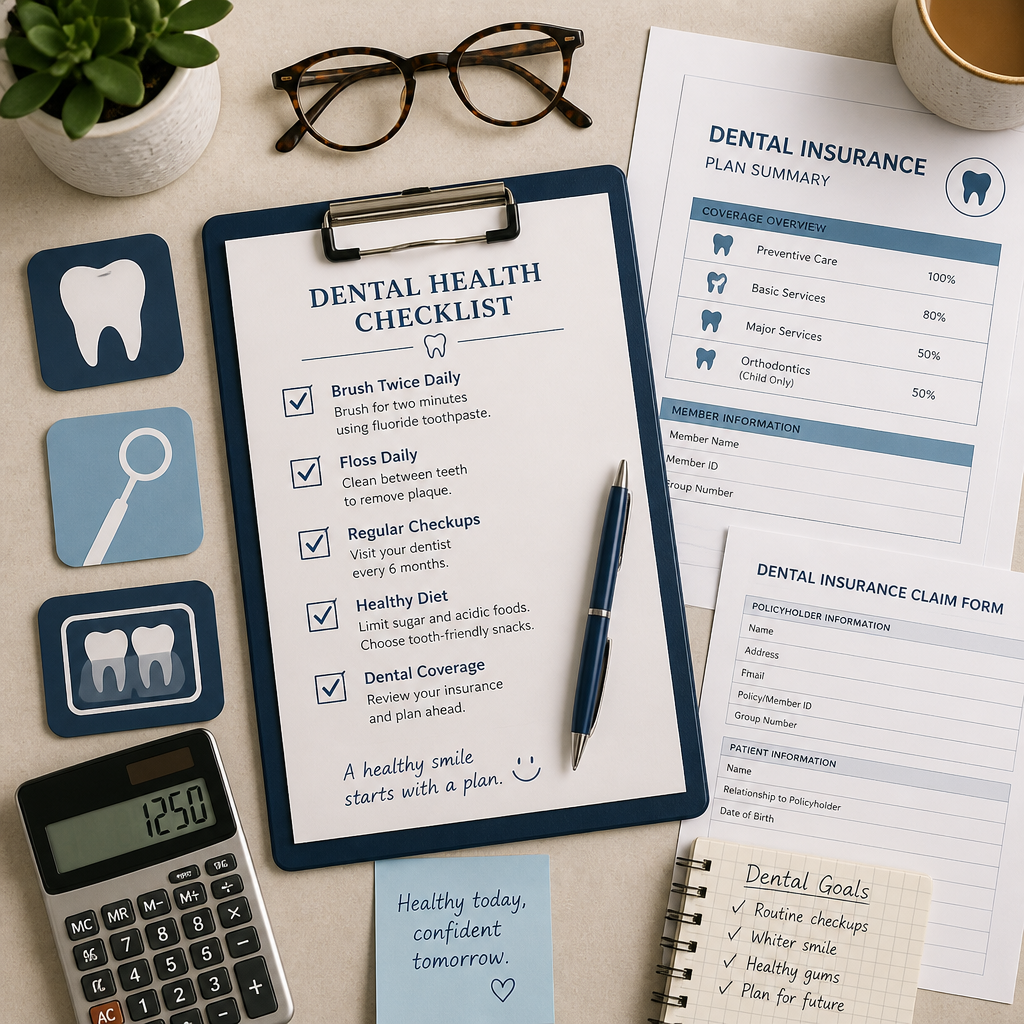
What does that mean in practice? If you walk into a dentist’s office for a cleaning, an annual exam, a filling, a root canal, dentures, or routine X-rays, Original Medicare Parts A and B will not pay a single dollar. This catches a lot of people off guard because they assume Medicare, being a comprehensive federal health program, covers health needs the same way their old employer insurance did.
Medicare Part B is especially relevant here since it covers outpatient medical services, but it explicitly carves out routine dental care. Part A, which covers inpatient hospital services, has slightly more flexibility, but only in very specific circumstances described below.
The Medically Necessary Exceptions
There is a narrow set of situations where Medicare will cover dental-related services, and knowing them matters, especially if you have a serious health condition.
Current CMS policy covers medically necessary dental services when they are directly connected to a covered medical procedure as an integral part of that treatment. These are not loopholes, they are codified policy. In 2023, CMS clarified and expanded these rules, and further expansions took effect in 2024.
What Medicare Covers Under the Medical Exceptions
Medicare Part A can cover dental procedures if hospitalization is required due to your underlying medical condition or the severity of the dental procedure itself. For example, if the extraction of a tooth in the line of a jaw fracture is integral to treating the jaw injury, that dental treatment can be covered.
Beginning in 2023, Medicare expanded coverage to include dental exams and necessary treatments required before organ transplant surgery (not just kidney transplants, but all qualifying organ transplants) and before cardiac valve replacement procedures. Beginning in 2024, Medicare covers a dental exam as part of a comprehensive workup at the same time as Medicare-covered treatments for head and neck cancer.
These are real improvements in coverage, but they are still narrow. They do not represent a broad expansion that will help most seniors with everyday dental needs. An independent 2023 analysis projected these changes would benefit a relatively small number of Medicare beneficiaries overall.
Pro tip: If you are about to undergo a major procedure like an organ transplant or cardiac surgery and your doctor orders a dental exam as part of your pre-treatment workup, ask your care team explicitly whether that dental service qualifies under Medicare’s medical necessity rules. The documentation requirement matters, and it has to be ordered as part of your covered treatment plan.
Medicare Advantage and Dental Coverage
If you want real dental benefits through Medicare, Medicare Advantage (Part C) is where most North Carolina seniors find them. Medicare Advantage plans are offered by private insurers approved by Medicare, and they are allowed to offer supplemental benefits that Original Medicare does not include. Dental is one of the most common supplemental benefits offered.
As of 2024, more than 33.9 million Americans were enrolled in a Medicare Advantage plan, representing more than half of all Medicare enrollees. Dental benefits are among the most commonly included supplemental benefits in these plans, making MA dental coverage an important avenue for a large share of seniors.
What MA Dental Benefits Typically Include
Most Medicare Advantage plans with dental benefits cover two cleanings per year, annual oral exams, and routine X-rays, often at a $0 copay for in-network dentists. Full-mouth X-rays may be limited to once every three years. These are preventive services designed to maintain oral health.
Comprehensive dental benefits go further and can include restorative services, extractions, endodontics (root canals), and prosthodontics (dentures, crowns, bridges). However, not every plan includes comprehensive coverage. Some offer only preventive services, and others offer both but with significant cost-sharing for major work.
Understanding Benefit Caps
Annual benefit caps for Medicare Advantage dental plans averaged around $1,500 based on 2026 CMS data. That cap sounds reasonable until you need a crown, implant, or multiple restorations in a single year. Once you hit the cap, you pay 100% out of pocket for the rest of the year.
Medicare Advantage dental coverage can be structured in two ways. A mandatory supplemental benefit is included in the plan at no additional cost to you. An optional supplemental benefit is available for a separate additional premium. Some plans offer both tiers, letting you purchase enhanced dental coverage on top of a base benefit.
Pro tip: Before choosing a Medicare Advantage plan based on its dental benefit, check the Evidence of Coverage document carefully. Look at three things: the annual dollar cap, whether your preferred dentist is in-network, and whether the plan covers comprehensive services or only preventive care. A plan with a $0 premium but a preventive-only dental benefit is not the same as one that covers major restorative work.

Medicare Supplement Plans and Dental
This is one of the most common misunderstandings in Medicare planning. Many people assume that a Medicare Supplement plan, also called Medigap, will fill in the dental gap left by Original Medicare. It does not.
Medicare Supplement plans are designed to cover your cost-sharing under Original Medicare, such as deductibles, copays, and coinsurance. Since Original Medicare does not cover routine dental care at all, there is nothing for a Medigap plan to supplement in that area. If you choose a Medicare Supplement plan for your medical coverage, you will need a completely separate dental policy to address your dental needs.
This is not a flaw in Medigap plans. They do exactly what they are designed to do. It is simply a gap in Original Medicare that Medigap was never built to fill. Knowing this before you choose your Medicare coverage path is essential for Charlotte-area seniors who want predictable dental costs.
Standalone Dental Plans for North Carolina Seniors
North Carolina seniors who choose Original Medicare plus a Medicare Supplement plan have a clear path to dental coverage: a standalone dental insurance policy. These plans exist specifically for this purpose and can be purchased year-round, unlike Medicare Advantage plans which have specific enrollment windows.
When comparing standalone dental plans, North Carolina seniors should pay close attention to four factors: waiting periods, annual maximums, network flexibility, and coverage for major services like dentures, crowns, and implants. Some plans impose waiting periods of six to twelve months before covering major restorative work, which can be a serious problem if you need treatment soon.
Certain standalone dental plans offer options with no waiting periods and annual maximums that can reach $5,000, which provides much stronger coverage for seniors managing ongoing dental needs. The trade-off is typically a higher monthly premium. For seniors in Charlotte who have a relationship with a specific dentist they trust, verifying that dentist is in-network before enrolling in any dental plan, standalone or otherwise, is a non-negotiable first step.
Dental health is essential across your lifetime, but even more so as the body ages. Seniors face a greater risk of developing tooth decay and gum disease, making regular dental visits a genuine medical priority, not a cosmetic luxury.
Comparing Your Dental Coverage Options
The right dental coverage option for a North Carolina senior depends entirely on which Medicare coverage path they choose for their medical benefits. Here is a direct side-by-side comparison of the three main approaches.
| Coverage Option | What It Covers for Dental | Best For |
|---|---|---|
| Original Medicare (Parts A and B) only | Almost nothing routine. Only dental services tied to a covered medical procedure (e.g., pre-transplant exam, head and neck cancer workup). No cleanings, no fillings, no dentures. | Seniors who already have separate dental coverage and do not need Medicare to provide it. |
| Medicare Advantage (Part C) with dental benefit | Preventive services (cleanings, exams, X-rays) included in most plans. Some plans add comprehensive coverage (crowns, extractions, dentures) up to an annual cap, often around $1,500. | Seniors who want an all-in-one plan, are comfortable with a network of providers, and can work within an annual benefit cap. |
| Medicare Supplement + Standalone Dental Plan | No dental from Medigap. A separate standalone dental plan covers preventive and restorative services. Annual maximums can be higher, some plans offer no waiting periods. | Seniors who prioritize freedom of provider choice, have ongoing dental needs, or want to keep medical and dental coverage completely separate. |
How to Choose the Right Option in Charlotte
Making the right call on dental coverage is not just about comparing plan brochures. It requires understanding how dental coverage interacts with the broader Medicare coverage decision you are making at age 65. In the Charlotte area, that means working with an advisor who knows the specific plans available in Mecklenburg County and surrounding areas, not a national call center reading from a generic script.
The dental benefit should not be the primary reason you choose a Medicare Advantage plan. That is a common mistake. Choose your Medicare coverage based on your overall medical needs, your doctors, your prescription drugs, and your hospital preferences. Then evaluate what dental benefit, if any, comes along for the ride. If the best Medicare Advantage plan for your situation has a strong dental benefit, that is a bonus. If it does not, a standalone dental plan can fill that gap independently.
For seniors leaning toward a Medicare Supplement plan for its predictability and provider flexibility, the conversation shifts to finding the best standalone dental plan available in North Carolina. Waiting periods are the biggest pitfall here. If you need work done in the next six months, you cannot afford to enroll in a plan that makes you wait a year for major services.
At Safeguard Benefit Services, we work with clients across Charlotte and North Carolina to find the right Medicare coverage combination, including dental, from more than 30 insurance carriers. A free consultation means you can get a clear answer about what is available in your zip code without any sales pressure. Understanding your options before your Initial Enrollment Period closes is the single most important step you can take to avoid coverage regrets.
The Annual Enrollment Period, which runs from October 15 to December 7 each year, is when you can switch Medicare Advantage plans or pick up a new one with a better dental benefit. If you are currently enrolled in Original Medicare with a Medigap plan and want to explore whether a Medicare Advantage plan with dental benefits might make more sense for your situation, that window is your opportunity.
Frequently Asked Questions
Does Medicare cover dental implants?
No. Original Medicare does not cover dental implants. Implants are considered a routine dental service, and they are explicitly excluded under current Medicare law. Some Medicare Advantage plans include coverage for implants, but it varies significantly by plan. If implants are a priority, review the plan’s Evidence of Coverage carefully before enrolling, and confirm what cost-sharing or caps apply specifically to implants, not just to dental benefits generally.
Does Medicare cover dentures?
Original Medicare Parts A and B do not cover dentures. Some Medicare Advantage plans include denture coverage as part of their dental supplemental benefit, but the coverage level and any annual cap will vary by plan. If you need dentures now or in the near future, confirm coverage details with any plan you are considering before enrolling.
Will a Medicare Supplement plan cover my dental costs in North Carolina?
No. Medicare Supplement plans, also called Medigap policies, do not include dental coverage. They are designed to pay cost-sharing for services that Original Medicare covers, and since Original Medicare excludes routine dental, Medigap has nothing to supplement in that area. North Carolina seniors on a Medigap plan need a separate standalone dental policy to cover routine and restorative dental care.
When is the best time to add dental coverage through Medicare?
The best time is during your Initial Enrollment Period, which begins three months before you turn 65. This is when you make your foundational Medicare coverage decision: Original Medicare plus Medigap, or Medicare Advantage. That choice determines your dental coverage options. If you miss that window and want to switch to a Medicare Advantage plan with a dental benefit, the Annual Enrollment Period (October 15 to December 7) is your next opportunity. Standalone dental plans can generally be purchased at any time of year.
Does Medicare cover a dentist visit before surgery?
It depends on the surgery. Since 2023, Medicare covers dental exams and necessary treatment required before organ transplant surgery and cardiac valve replacement procedures. Since 2024, Medicare covers a dental exam as part of a workup for head and neck cancer treatment. Outside of these specific scenarios, a dentist visit before surgery is not covered by Original Medicare unless the dental service is directly integral to a covered procedure.
What dental coverage options are available to Charlotte, North Carolina seniors specifically?
Charlotte-area seniors have access to a range of Medicare Advantage plans that include dental benefits, as well as standalone dental plans available in North Carolina. The specific plans, premiums, benefit caps, and networks depend on your zip code in Mecklenburg County or surrounding areas. Working with a local Medicare insurance agency like Safeguard Benefit Services, which compares plans from 30+ carriers, is the most efficient way to see exactly what is available to you and which plan’s dental benefit matches your actual needs.
Have you already looked into dental coverage for your Medicare plan, or are you still trying to figure out which path makes sense? Share what questions you are running into, because chances are other North Carolina seniors are wondering the same thing.
References
- KFF analysis of dental services coverage under traditional Medicare, including statutory rules and recent CMS policy changes
- Medicare Rights Center overview of 2023 and 2024 rule changes expanding Medicare dental coverage for specific medical scenarios
- Milliman 2024 report on dental benefit landscape across Medicare Advantage plans nationally, including benefit caps and enrollment trends
- AARP guide to Medicare dental coverage limitations and what exceptions apply under current law
- Standalone dental plan options for North Carolina seniors, including coverage types and factors to compare








Get Connected